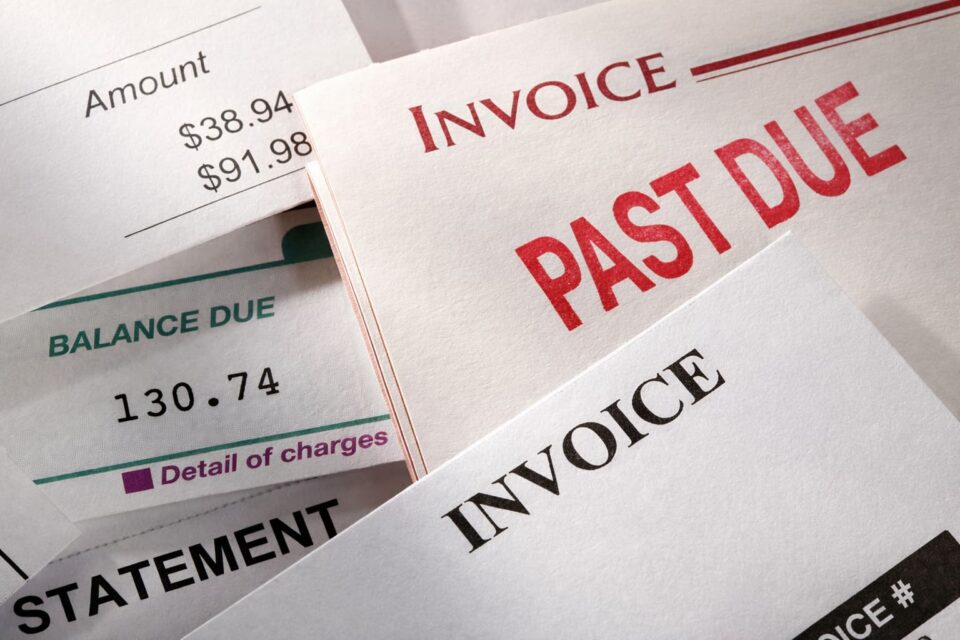



Our Sydney insolvency lawyers assist directors and businesses facing winding up applications, insolvency notices, and liquidation risks.
Receiving a Notice of Application for a Winding Up Order is one of the most serious legal actions a creditor can take against your company. This notice means a creditor has applied to the court to place your business into liquidation because a debt hasn’t been paid. Often, this follows a Creditor’s Statutory Demand, which gave your company 21 days to pay or resolve the debt. If that deadline passed without action, the law presumes your company is now insolvent.
What Happens If the Court Grants the Winding Up Application?
If the court approves the application, your company is placed into liquidation immediately. A liquidator takes control of the business, and as a director, you lose all authority. Company assets may be sold to repay creditors, and the liquidator will review the company’s financial affairs. In some cases, this process can also lead to personal liability for directors, particularly if the company continued trading while insolvent or if you have signed personal guarantees.
Director Liability: Understanding Your Personal Risk
Many directors assume their responsibility ends with the company, but this is not always true. If your business is insolvent, you may be personally liable for debts incurred while trading. You may also remain responsible for personal guarantees, and the Australian Taxation Office (ATO) can issue Director Penalty Notices for unpaid tax obligations such as PAYG or superannuation. In serious cases, regulators or liquidators can pursue claims for breaches of duty, and you may even face disqualification from managing companies in the future.
How Sydney Insolvency Lawyers Defend Winding Up Applications
You may have the right to dispute the application if the debt is incorrect or genuinely disputed. Acting quickly is critical. You must clearly demonstrate a genuine dispute, with evidence showing why the debt is invalid. You will also need to prove your company is solvent and able to meet its debts as they fall due.
Responding to Insolvency Notices Before Court Action
The court hearing is often the final chance to prevent liquidation. Failure to appear, or attending unprepared, can result in the court immediately ordering your company to be wound up. While the court may grant an adjournment to give extra time to resolve the matter, this is not guaranteed. Preparation upon receiving an insolvency notices and professional legal representation are critical to protecting your business interests.
Can a Winding Up Application Be Stopped or Reversed?
Paying the debt may help, but it does not automatically end the application. The matter must be formally withdrawn or dismissed by the court and usually with the creditor’s consent. If a winding up order has already been made, it may be reversed, but only if you can prove solvency, repay debts, and provide strong supporting evidence.
Key Takeaway
If you receive a winding up application, don’t ignore it. Acting quickly and strategically with expert legal advice can protect your business from liquidation, limit personal director liability, and give you the best chance to resolve the matter successfully. Time is critical and the sooner you respond, the more options you have available to you. A winding up application leads to a decisive result: your company is either placed into liquidation, or the application is defeated and successfully withdrawn. There is no in-between, which is why early action and legal guidance are critical.
At Silver & Slate Lawyers, our Sydney insolvency lawyers assist directors and businesses facing winding up applications, insolvency notices, creditor disputes, and liquidation risks. We provide urgent strategic advice designed to protect your company, minimise director liability, and explore restructuring or defence options before court action escalates. We review winding up insolvency notices, assess creditor claims, check for legal errors, and advise on the best strategy. We can appear in court on your behalf, seek adjournments, and help explore options such as settlement, refinancing, Small Business Restructuring, or Voluntary Administration. Acting early is the best way to safeguard your company, your assets, and your personal position as a director.